


The Glow Down: How to Spot Authentic Red Light Therapy (And Why It Matters)

You scroll past another glowing red face and wonder whether it is worth the money. Fair question. Before you buy, it helps to know how to tell a serious device from an expensive lamp. That is what this guide is for.
One thing up front. Dermophisiologique does not make or sell red light devices. We have no stake in which one you buy, or whether you buy one at all.
What we do sell is the ordinary daily routine that sits around it. Things like Skin Perfection Hyaluronic Boost. Useful on its own. Not a substitute for anything.
What red light therapy is
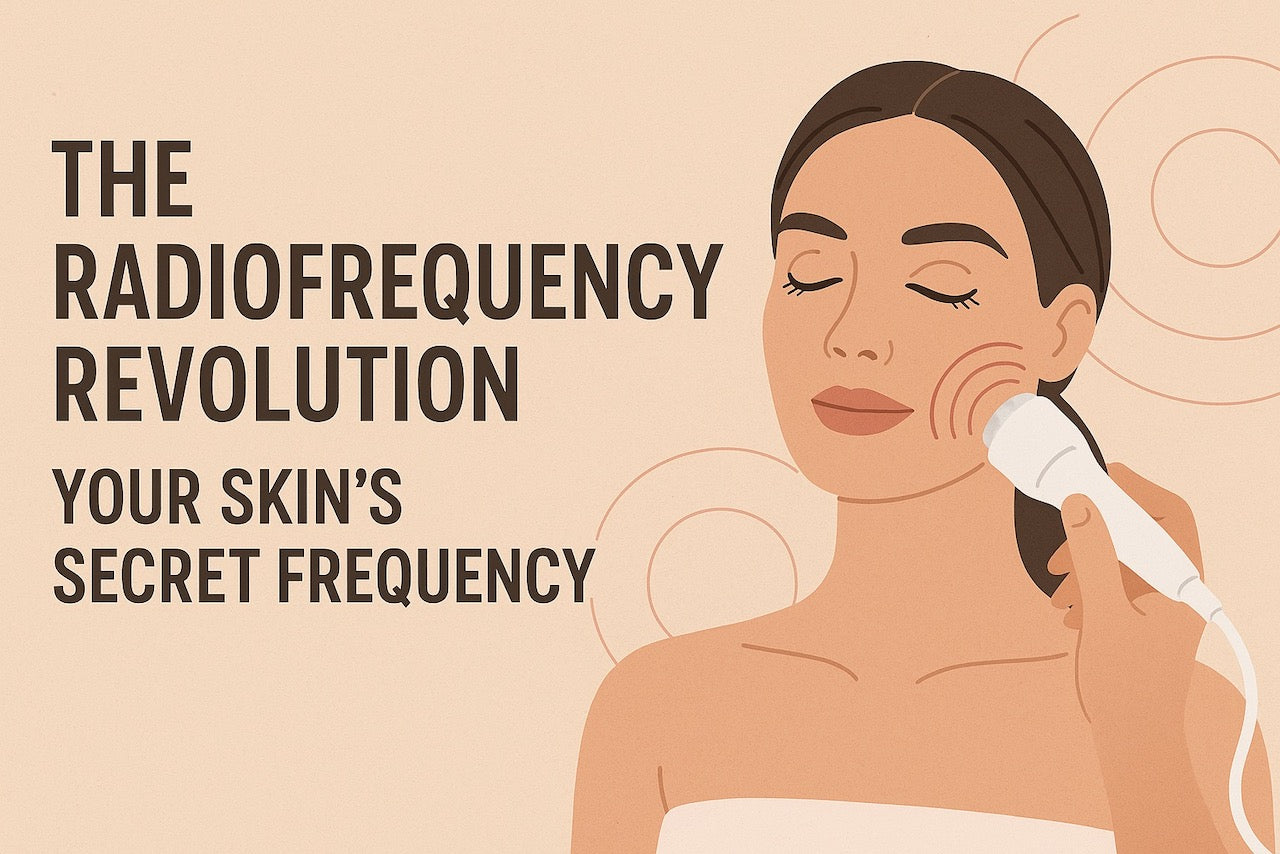
It is a category of treatment that exposes skin to specific wavelengths of visible red and near-infrared light. It is delivered by a device, not applied as a product. You will find it in clinics. You will also find it sold as at-home units, at wildly varying prices and wildly varying quality.
What any particular device does depends on its specifications and how consistently you use it. So the specifications matter. The rest of this guide is about reading them.
How to spot a legitimate device
This is the useful part. Five things to look for. The absence of any one of them tells you more than the price does.
- Stated wavelengths. Devices in this category typically specify 630 to 660nm for red and 810 to 850nm for near-infrared. A manufacturer who will not publish the figures has told you something.
- Stated power density. Measured in mW/cm². Again, the point is that it is published at all.
- A company that explains itself. Clear instructions. A real address. Documentation you can actually read. If the website reads like a late-night infomercial, step back.
- Sensible design. The lights need to sit a consistent distance from your skin. Something flimsy will not get used. That matters more than the spec sheet.
- Regulatory clearance for your country. This is a safety standard rather than a promise about outcomes, but its absence is worth noticing.
Three things people get wrong
"Any red light will do." The red bulb from the hardware store is not the same category of product. Wavelength and intensity are the whole specification, and a reading lamp publishes neither.
"More must be better." Devices come with usage instructions for a reason. Longer is not automatically better, and overdoing it is a good way to irritate your skin. Follow what the manufacturer says, not what a forum says.
"It will work overnight." Nothing in skincare works overnight, devices included. A seller who promises you a timeline is giving you a reason for caution, not a reason to buy.
Where skincare actually fits
Here is the honest version, and it is the opposite of what a lot of brands will tell you. A topical product does not do what a light device does. They work by completely different routes, and any routine sold as equivalent to a device is selling you a story.
What a good routine does is the daily work. Hydration. Barrier support. Antioxidant defence, every day, whether or not a device is anywhere in the picture. None of that is glamorous and all of it compounds.
If you want somewhere sensible to start, Skin Perfection Hyaluronic Boost holds water in the skin, and Skin Perfection Collagen Boost sits alongside it. Vita C Brightening Serum covers the antioxidant side in the morning.
And if you want the detail on collagen itself, we wrote a longer piece on it here.
Use them because they are a decent routine. Not because they stand in for a device.
Red light therapy FAQs
What is red light therapy?
It is a treatment category that exposes skin to specific wavelengths of visible red and near-infrared light, delivered by a device rather than applied as a product. It is offered in clinics and sold as at-home units. Dermophisiologique does not make devices, so this guide covers how to judge one rather than which to buy.
What wavelengths do red light devices use?
Devices in this category typically specify somewhere in the range of 630 to 660 nanometres for red light and 810 to 850 for near-infrared. The important part for a buyer is that the manufacturer states the figures at all. A product that will not tell you its wavelengths has told you something.
How can you tell a legitimate device from a cheap one?
Look for four things stated plainly: the wavelengths, the power density in milliwatts per square centimetre, the relevant regulatory clearance for your country, and a design that holds the lights a consistent distance from your skin. Vagueness on any of these is the useful signal, more so than the price.
Can you use skincare products alongside red light therapy?
Generally yes, and most people apply products afterwards on clean skin to help improve the look and feel of the area. Follow whatever the device manufacturer specifies, since some advise a bare face during use. If your skin is reactive, introduce one thing at a time so you can tell what is responsible for what.
Can topical skincare do the same thing as a device?
No, and anyone telling you otherwise is selling something. Light-based devices and topical formulas work by entirely different routes. What skincare does well is support hydration, barrier strength and antioxidant defence day to day, which helps improve the look of skin whether or not a device is part of your routine. Skin Perfection Hyaluronic Boost and Skin Perfection Collagen Boost cover that side.


Comments