



Sensitive Redness Prone
Some skin reacts to everything. A new cleanser, a cold morning, a glass of red wine, and there it is across your cheeks again.
Our Sensiderm range is built for exactly that: sensitive, intolerant and reactive skin, and the visible redness that comes with couperose and erythrosis. It works on two things at once, calming the surface while strengthening the barrier underneath, because reactive skin is usually both.
Not sure where to start? There's a guide below the products, or begin with the Sensiderm Anti-aging Cream.






What makes skin reactive in the first place?
Reactive skin usually has a barrier that is not holding. When the outermost layer is compromised, irritants get in more easily and water gets out more easily. Which is why skin that reacts to everything is often also skin that feels tight and looks dull.
That is why soothing alone tends to disappoint. Calm the surface without repairing the structure and the next trigger lands just as hard.
The Sensiderm approach works on both. Soothing actives settle what is happening now. Barrier lipids reduce how often it happens at all. And vasoprotective ingredients support the surface microcirculation that carries much of the visible redness.
Couperose and erythrosis, in plain terms
Two words you will see on this page, and neither is a diagnosis.
Couperose describes small visible capillaries, usually across the cheeks and around the nose, that have become permanently dilated. Erythrosis describes diffuse background redness rather than distinct vessels. They often appear together. Both are cosmetic descriptions of something visible, not medical labels.
If your redness is persistent, worsening, or comes with bumps or stinging, see a doctor. Several diagnosable conditions look similar and are managed differently. Cosmetics are not the answer to those.
Which Sensiderm product do you need?
| If your concern is… | Reach for | Why |
|---|---|---|
| Visible redness, flushing, small dilated capillaries | Skin Rose Face Serum | Ginkgo Biloba, bioflavonoids of Rosa Centifolia and escin strengthen the cutaneous microcirculation and relieve superficial redness and swelling. Absorbs quickly. |
| Skin that reacts and itches, tight after cleansing | Sensiderm Soothing Face Cream (Leni) | Beta-glucan stimulates the skin's own defenses. Aloe and glycyrrhetic acid mitigate redness and itching. Escin, ginkgo and ceramides reduce capillary fragility and rebuild the barrier. |
| Sensitive skin that is also showing its age | Sensiderm Anti-aging Cream | Artemia extract with a tripeptide complex helps improve the look of tone and firmness, with ceramides, urea and trehalose so the anti-aging step does not cost you comfort. |
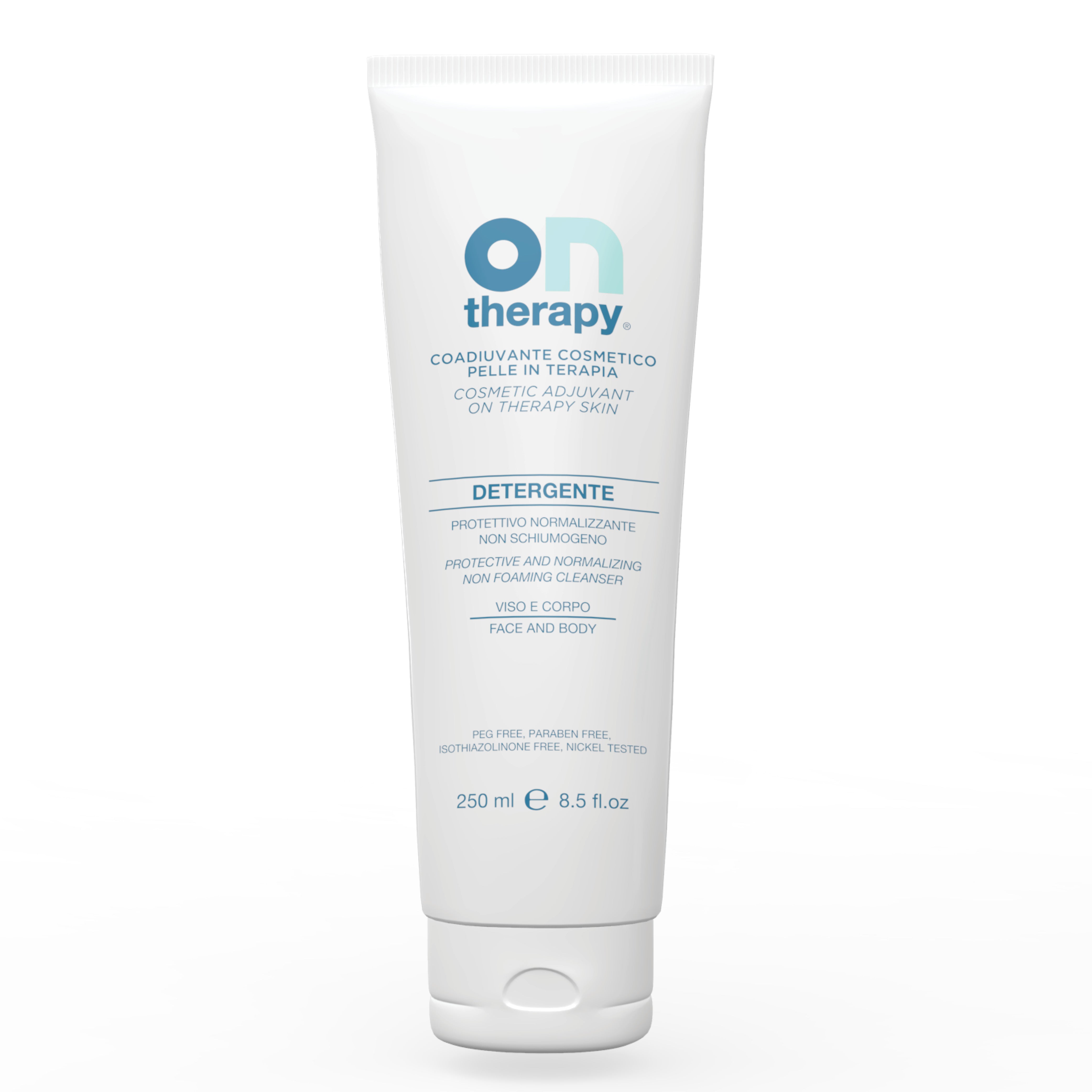
| Cleansing that does not set everything off | On Therapy Non-Foaming Cleanser | Cleanses by affinity using plant-derived lipids rather than foaming agents, so it lifts makeup and impurities without stripping the hydrolipidic film. |
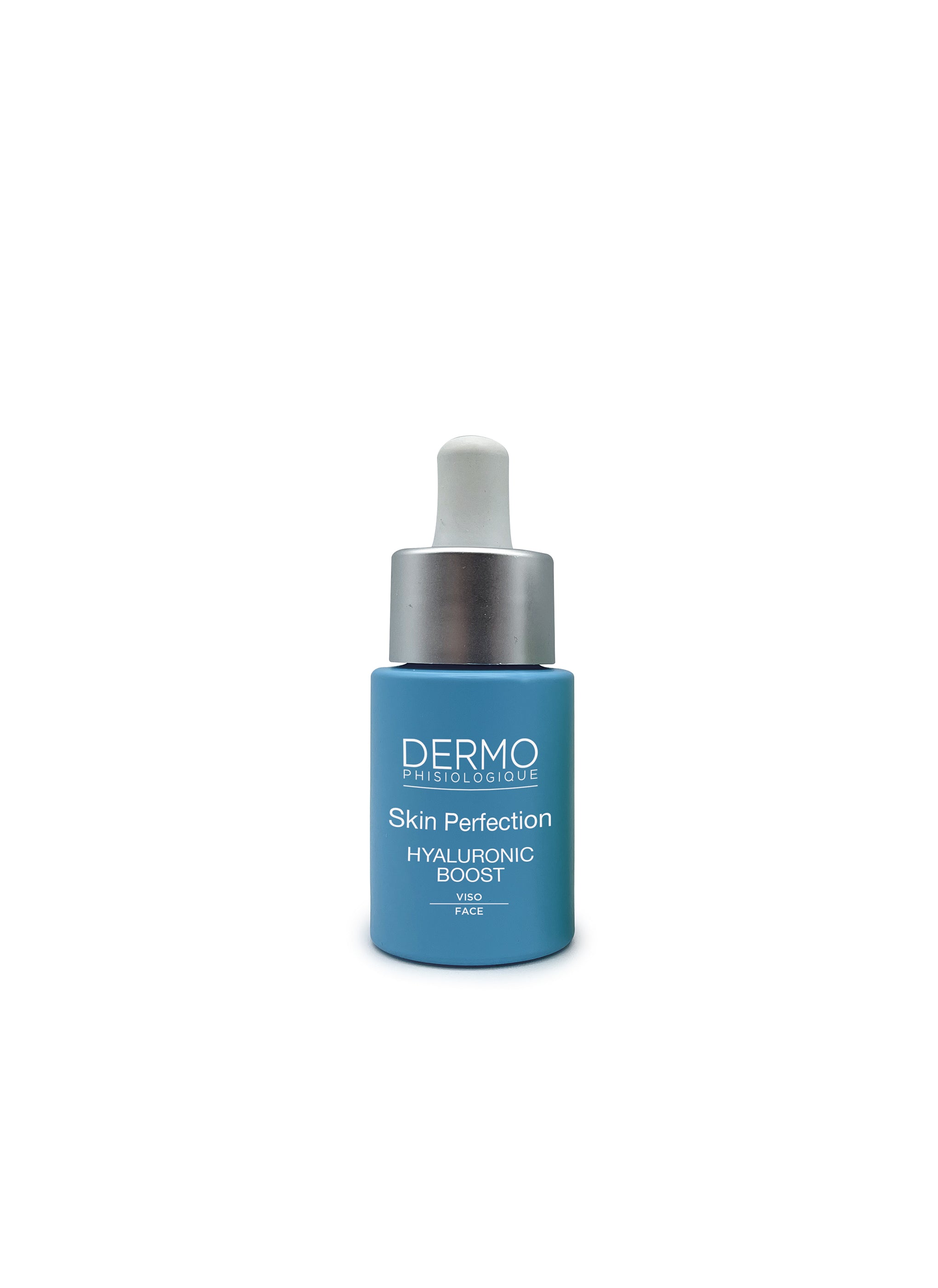
| Hydration underneath everything else | Skin Perfection Hyaluronic Boost | A multi-molecular hyaluronic acid that layers under any of the creams above without adding actives your skin has to tolerate. |
The Sensitive Skin / Redness Kit puts the core routine together if you would rather not assemble it yourself.
Why "gentle" is not the same as "does nothing"
Sensitive skin gets sold a lot of very mild products that are pleasant and inert. Fair enough if all you want is to avoid harm. But it leaves the underlying reactivity exactly where it was.
The actives here are specific rather than strong. Escin and ginkgo biloba work on capillary fragility. Beta-glucan stimulates the skin's own defenses. Glycyrrhetic acid, from licorice root, mitigates redness and itching. Ceramides rebuild the barrier letting triggers through in the first place.
On skin that reacts to the formulation rather than to the actives, what a product leaves out matters as much as what goes in.
Can you use active ingredients on sensitive skin?
Often yes, with two conditions. Start with one product and give it a fortnight before adding another. And fix the barrier first, because reactive skin that has been stable for a few weeks tolerates far more than the same skin does mid-flare.
The Sensiderm Anti-aging Cream exists for precisely this reason. It brings peptides and antioxidants to skin that would not get on with a conventional anti-aging routine, and it does it inside a formula built for reactivity.
There is free shipping above $125 if you are putting a routine together.
Sensitive and redness prone skin FAQs
What is couperose skin?
Couperose describes small blood vessels near the surface of the skin that have become permanently dilated, usually across the cheeks and around the nose. It is a cosmetic description, not a diagnosis. Formulas that support the cutaneous microcirculation, like the Skin Rose Face Serum with its ginkgo biloba and escin, are aimed at the look of it.
What is the difference between couperose and erythrosis?
Couperose refers to distinct visible capillaries. Erythrosis refers to more diffuse background redness with no individual vessels standing out. They frequently occur together, and the Sensiderm range is formulated for both.
Why does my face go red after washing it?
Usually because the cleanser is stripping the hydrolipidic film, the protective layer on your skin's surface. Foaming agents are the common culprit. A non-foaming cleanser works by affinity instead. The On Therapy Non-Foaming Cleanser removes makeup and impurities while leaving that layer intact.
Can you use anti-aging products on sensitive skin?
Yes, though it pays to stabilise the barrier first and introduce one product at a time. The Sensiderm Anti-aging Cream was built for this situation specifically, pairing Artemia extract and a tripeptide complex with ceramides, urea and trehalose so the anti-aging step does not come at the cost of comfort.
What calms redness on the face?
Two different mechanisms help. Soothing actives such as glycyrrhetic acid and aloe settle the immediate reaction, while ingredients that support capillary strength, like escin and ginkgo biloba, work on the vessels carrying the visible redness. The Sensiderm range uses both together.
Are the Sensiderm products fragrance free?
No. All three contain fragrance. If that is your specific trigger, read the full ingredient list on each product page before you buy.
Where should you start with the Sensiderm range?
Start with one product, not three. If visible redness is the main concern, begin with the Skin Rose Face Serum. If it is reactivity and tightness, begin with the Soothing Face Cream. If your skin is sensitive and also showing its age, the Sensiderm Anti-aging Cream covers both, and the Skin Perfection Hyaluronic Boost layers underneath any of them.
When should you see a doctor about facial redness?
If the redness is persistent, getting worse, or arrives with bumps, stinging or eye irritation, see a doctor or dermatologist. Several diagnosable conditions look similar to couperose and are managed differently. Skincare of this kind is cosmetic and is not a treatment for any of them.