



The Radiofrequency Revolution: Your Skin's Secret Frequency
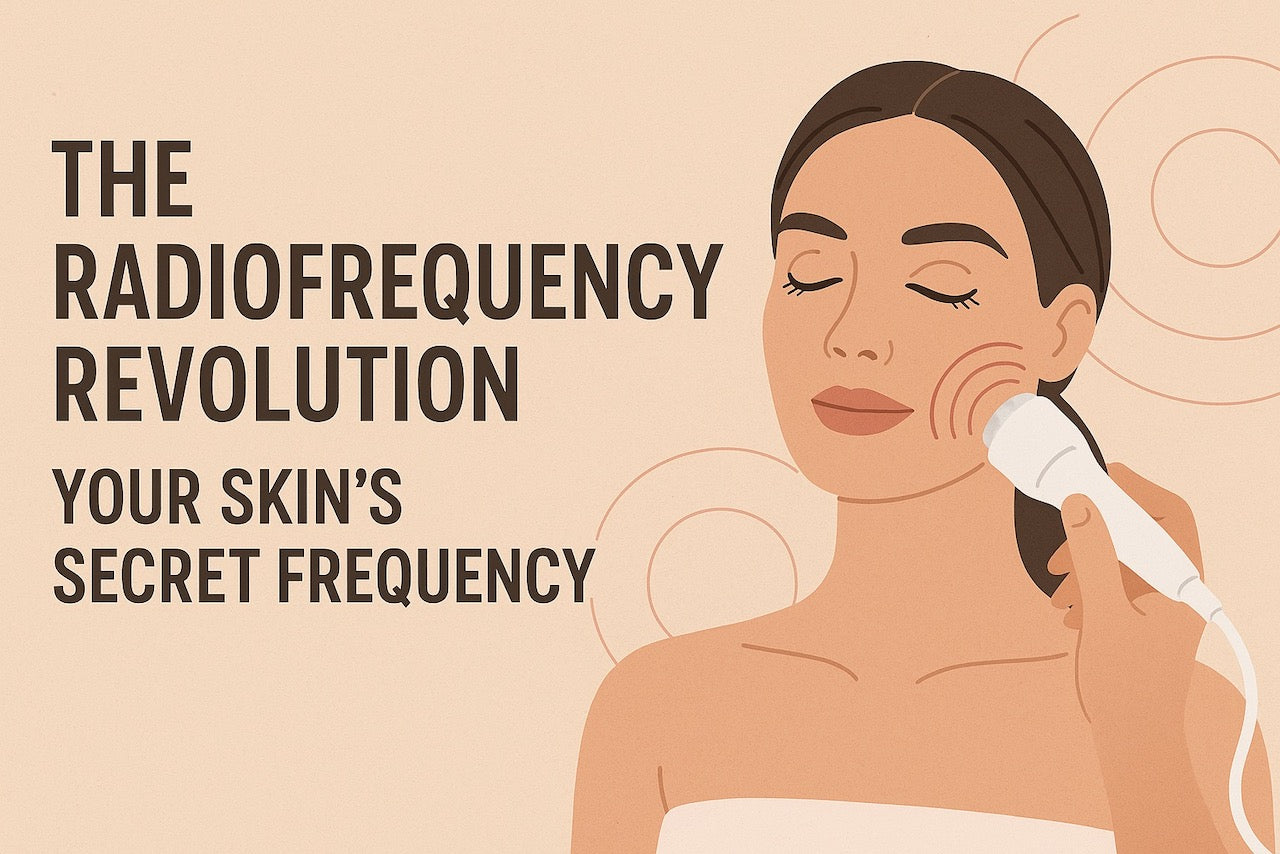
A plain look at an in-clinic treatment we don't sell, and where your skincare fits around it.
Radiofrequency, in plain terms
Radiofrequency, usually shortened to RF, is a category of in-clinic treatment that uses radio-wave energy delivered through a handpiece by a trained practitioner. It is a professional service, not a product, and it sits alongside other energy-based treatments offered in clinics and medical spas.
Worth saying plainly up front. Dermophisiologique does not sell RF devices and does not perform treatments. We have no stake in whether you book one.
Our interest is the skincare you use around it. That means the unglamorous things. Things like My Sun SPF 50+ every morning, which does more for your skin over a decade than any single appointment.
How it is generally described
The broad idea is simple enough. Radio-wave energy passes into the skin and warms the tissue, and that controlled warmth is what the practitioner is working with. Devices differ. Intensities differ. A practitioner picks between them based on your skin and what you are asking for.
Past that point, the detail belongs with the person holding the device. Protocols vary. Settings vary. Anyone promising one universal outcome, us included, would be overstating what an article can know.
Ask these questions before you book
If you are considering a treatment, the useful work is in choosing the practitioner rather than researching the physics.
- What are your qualifications, and how long have you been using this specific device?
- What device is it, and is it cleared for use in the United States?
- What does the consultation involve before anything is switched on?
- What should I realistically expect, and what are you not promising?
- What does aftercare look like, and who do I call if something feels wrong?
A practitioner who answers those comfortably is a good sign. Better than any claim on a clinic's website.
Safety, and who should avoid it
RF has been used in aesthetic practice for a long time. The risk generally reported is burns from excessive heat. That is exactly why training, equipment and calibration matter so much here. This is not a treatment to bargain-shop.
Some people should not have it at all. That includes anyone pregnant or nursing, anyone with a pacemaker or metal implants in the area being treated, anyone with an active skin infection or broken skin where the treatment would go, and anyone with certain autoimmune conditions.
That list is not complete. It is also not a substitute for a consultation. Tell your practitioner your full medical history and let them make the call. Unsure about a condition? Ask your doctor before you ask a clinic.
Where skincare fits
Here is the honest version. A topical product and a professional device are not doing the same job. No cream replicates a clinic treatment. Anything sold as an at-home equivalent is selling you a story.
A good routine looks after your skin the rest of the time. That is the whole job. Skin tends to be more reactive for a while after any in-clinic treatment. That is not the moment for strong actives. Keep things gentle. Follow the aftercare your practitioner gives you, and go back to your usual routine when they say you can.
For that calmer period, Sensiderm Anti-aging Cream suits skin that is behaving touchily, and Aqualife Super Hydrating Cream covers hydration without asking much of the skin.
And sunscreen still beats everything. Every day, treatment or no treatment.
If you are putting a routine together around an appointment, the sensitive and redness-prone range is the right shelf to be looking at. Gentle things. Nothing that argues with your skin while it settles.
Radiofrequency and skincare FAQs
What is radiofrequency skin treatment?
It is an in-clinic category that uses radio-wave energy delivered through a handpiece, performed by a trained practitioner. It is a professional treatment rather than a product, and Dermophisiologique does not sell devices or perform treatments. This guide covers what the category is and how a skincare routine fits around it.
Is radiofrequency the same as laser?
No. They are different technologies that use different forms of energy, and they are not interchangeable. Laser treatments are also a broad family rather than one thing. Which, if either, suits you is a conversation for a qualified practitioner who can see your skin, not something to settle from an article.
Who should avoid radiofrequency treatments?
Anyone pregnant or nursing, anyone with a pacemaker or metal implants in the treatment area, anyone with an active skin infection or broken skin where the treatment would go, and anyone with certain autoimmune conditions. This is not a complete list. Tell the practitioner your full medical history and let them decide.
How should you look after your skin around an in-clinic treatment?
Follow your practitioner's aftercare first, because it is specific to what they did. Broadly, skin is more reactive afterwards, so this is not the moment to introduce strong actives. Keep it simple and gentle. Sensiderm Anti-aging Cream is built for skin that reacts easily, which is the state you are in for a while afterwards.
Can skincare achieve the same results as radiofrequency?
No. A topical product and a professional energy device work in completely different ways, and any skincare promising equivalence is overselling itself. A routine keeps your skin hydrated, protected and comfortable between whatever else you do. Aqualife Super Hydrating Cream covers the hydration side, and daily sunscreen matters more than any single treatment.


Comments